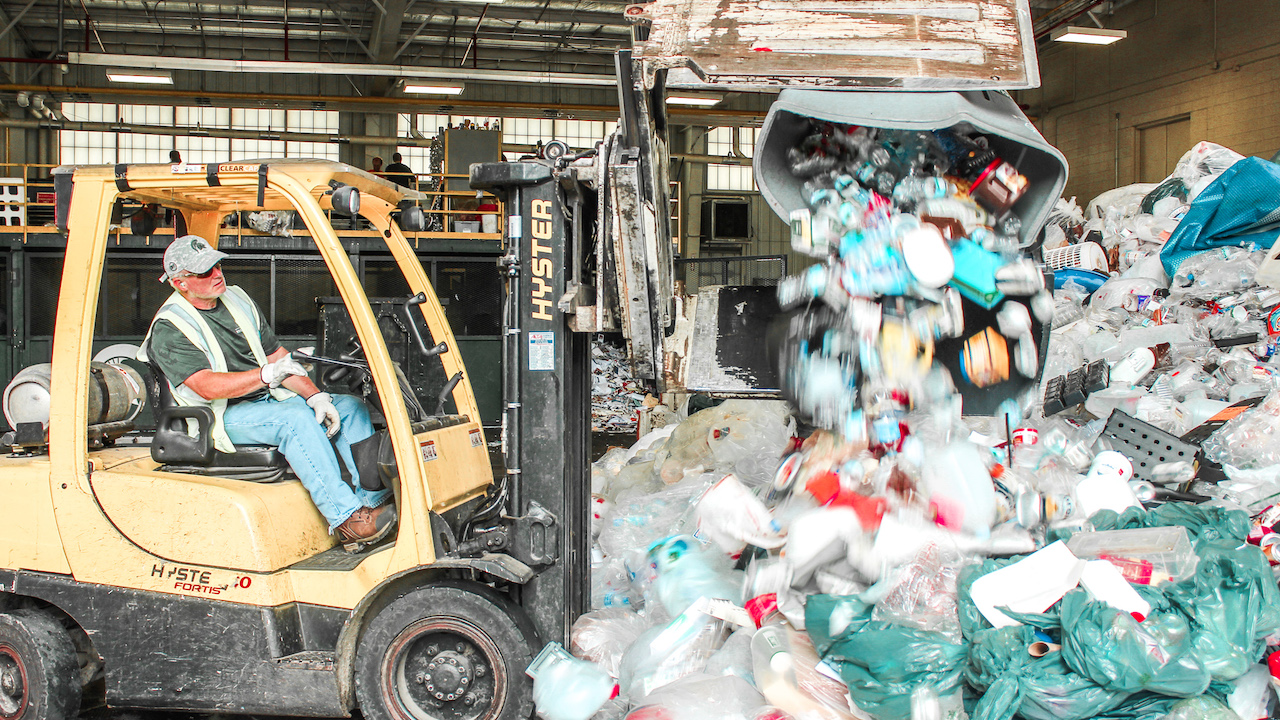
Waste not this holiday season – or at least recycle as much as possible

This story was originally published on the Detroit Free Press.

While the holidays are a time to spread joy and happiness among family and friends, they’re also an opportunity to show Mother Nature a little love.

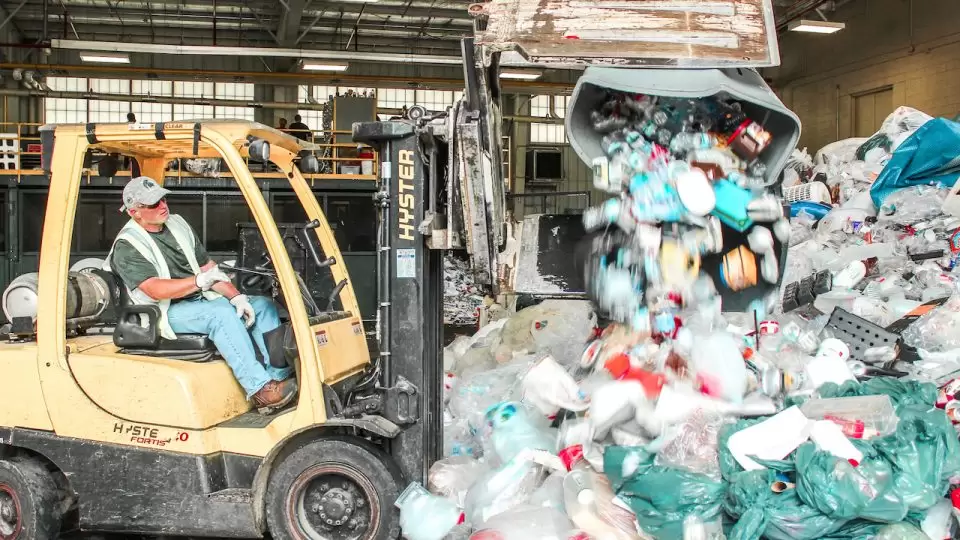
Americans create 25% more trash between Thanksgiving and New Year’s Day than any other time of year, according to statistics compiled by Stanford University.

The output includes boxes, packing materials, wrapping paper, electronics and disposable eating utensils. And although some of that holiday-related waste should go directly into the trash, much of it is recyclable.

But even among the hustle and bustle of holiday gatherings, it’s important to take the time to recycle the right way, said Matt Flechter, recycling market development specialist at the Michigan Department of Environment, Great Lakes, and Energy (EGLE).

“We’re urging Michigan residents to be nice to the environment over the holidays by properly recycling whatever they can,” he said. “Sound recycling practices should never take a holiday.”

That’s a message that EGLE has been spreading since June, when it kicked off its statewide “Know It Before You Throw It” recycling education campaign featuring the Recycling Raccoon Squad.

Quality and quantity

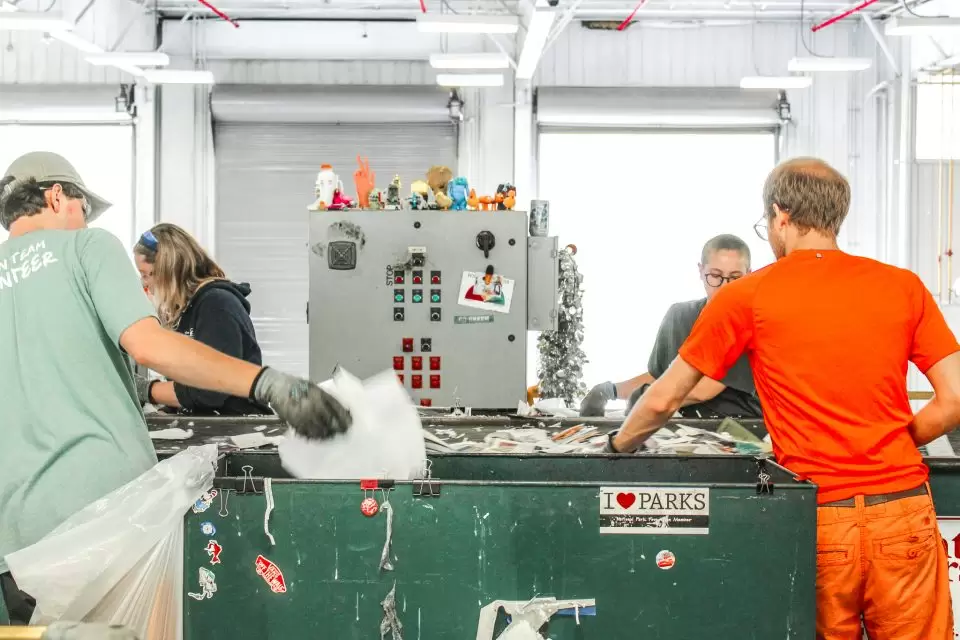
EGLE’s primary goal is to improve the quality of materials people are putting into recycling containers by educating them about best recycling practices. At the same time, EGLE is aiming to boost the quantity of material recycled by doubling the state’s recycling rate to 30% by 2025 and ultimately reaching 45% annually.

“Achieving those goals would produce a gift that keeps on giving,” Flechter said, citing not only the statewide environmental benefits but also the potential $300 million annual economic impact that would result from meeting the 30% recycling rate benchmark.

Recycling specialists statewide are getting into the spirit and endorsing the “Know It Before You Throw It” campaign. They are also urging residents to take steps to limit the stream of waste produced during the holidays.

“Beyond ‘recycling,’ ‘reducing’ and ‘reusing’ are also important ‘R’s,’” said Natalie Jakub, executive director of Green Living Science, the educational arm of Recycle Here!, Detroit’s drop-off recycling center and neighborhood recycling program. “While the message of recycling is certainly important, cutting down on consumption whenever possible is another way to reduce the amount of material going into the landfill.”

As a holiday-related example, try placing gifts in reusable bags instead of wrapping them in paper, she suggested.

A recycling list to check twice

Recycling rules can vary by community or even from one recycling center to another, so Michigan residents are urged to check with their local provider about what is acceptable in their area to ensure they don’t end up on a list of naughty recyclers, Flechter said.

Here are some general guidelines for handling common holiday items:

  • Cardboard and gift boxes. While it’s best to reuse boxes, they’re also almost universally accepted by curbside recycling services, Flechter said. “Just be sure to break them down before placing them in your recycling container,” he said. “That saves valuable space for both you and the hauler.”
  • Disposable eating utensils, plates and cups. These should go in the trash because, among other reasons, they likely contain food residue – a contaminant that can ruin a whole recycling load. Even never-used paper plates are potentially problematic because they might have an outer layer of wax, Jakub said. Can’t stomach the thought of throwing them away? “Use your fine china and silverware instead,” she said.
  • Paper towels and napkins. Put these in the trash or a compost bin, Flechter said, since they’re probably soiled by food. Aluminum foil that is free of food contamination, however, is recyclable.
  • Wrapping paper. The answer here is “maybe.” Wrapping paper is recyclable, provided it isn’t adorned with glitter or metal. However, “that’s not always easy to determine,” Jakub said. “So the recycling center would probably typically tell you it doesn’t want it,” she said. Instead, try wrapping presents in newspaper or plain brown craft paper, which is always recyclable.
  • Packing materials. The packing peanuts, clear plastic padding and Styrofoam that protect electronic devices are typically not recyclable curbside. However, many communities – including Detroit – have drop-off centers where Styrofoam blocks and packing peanuts are accepted, and many large retailers collect clear and other types of plastic bags.
  • Plastic shopping bags. “With the exception of a couple of municipalities in Michigan, these are almost never acceptable for curbside recycling because they can clog a recycling center’s machinery,” Flechter said. However, large retailers such as Meijer, Walmart and Target will collect plastic bags for recycling.
  • Holiday lights. Recycling centers don’t want holiday light strings because they can get tangled in machinery, so they shouldn’t go in curbside recycling containers. Places that sell lights, on the other hand, will often accept them for recycling. Jakub also advised to avoid putting lights in the trash because they might contain harmful chemicals.
  • Batteries. Almost 40% of battery sales occur during the holiday season, according to the U.S. Environmental Protection Agency. Home improvement stores such as Home Depot often offer collection bins for rechargeable batteries, or check for local hazardous waste collection events where all types of batteries are accepted. Visit michigan.gov/eglehhw to find local drop-off sites. Like holiday light strings, batteries should not go in the trash or curbside recycling.
  • Electronics. Retailers such as Best Buy or local collection events will take your used tech.
  • Disposable tablecloths. Discard both the plastic and paper varieties of these because chances are they contain at least some traces of food contamination.
  • Greeting cards. Just like any type of paper, these are typically recyclable in your curbside container, Flechter said. Just make sure there is no glitter or metal on them.
  • Receipts. All those glossy, thermal paper receipts you collected while buying awesome gifts are not recyclable because they are coated in plastic to make them durable.
  • Tinsel, ornaments and artificial trees. All of those should go in the trash or be donated to someone else for use.

Recycling 101 – how to do it correctly

This story was originally published by WOOD-TV for "eightWest".

GRAND RAPIDS, Mich. (WOOD) – This is truly a time of year filled with “stuff”, we give and receive over the holidays. We’re also purging to make space and even trying to start the New Year on an organized note and recycling can play a big role in all that!

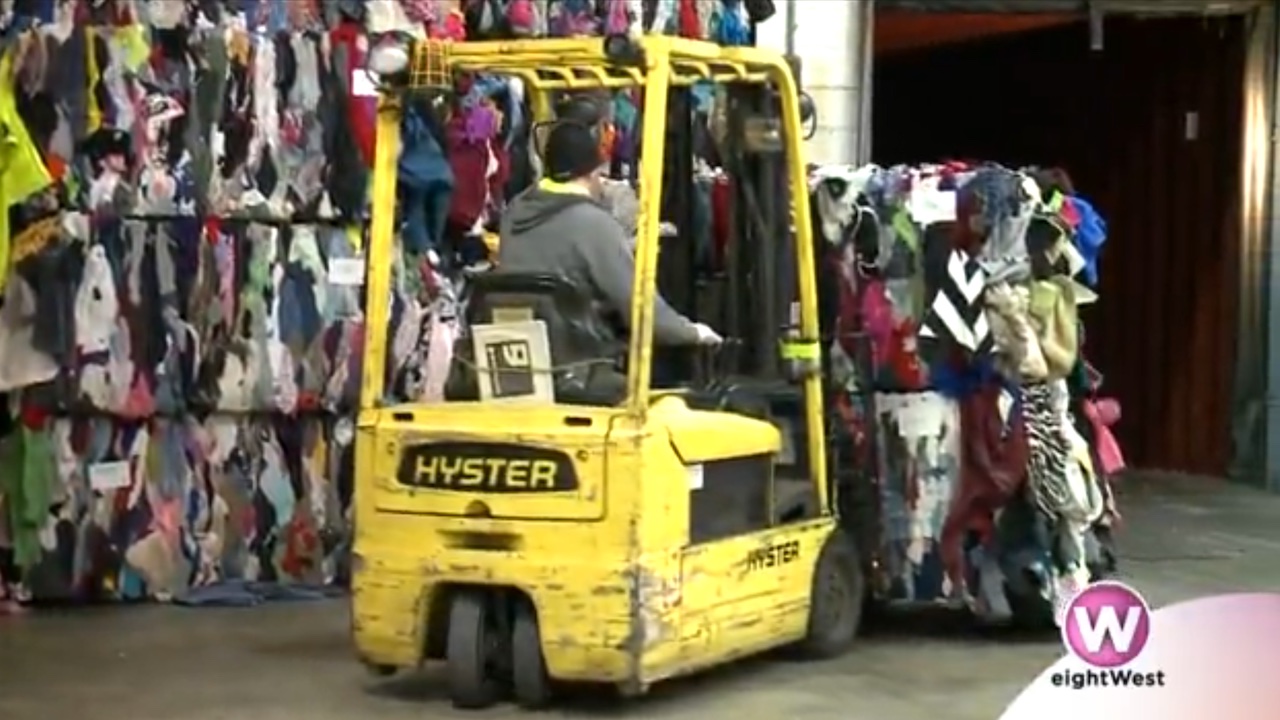
Today, we’re going to focus on recycling clothing and household items, as part of big effort underway by Michigan’s Department of Environment, Great Lakes and Energy.

The goal is to encourage folks to recycle, and show how they can recycle better, take a look!

Goodwill is a big part of that kind of recycling and does so much good in our community and helps others to recycle. You can learn more about drop off their locations, and what they do by visiting their website.

If you’d like to get tips on recycling all types of materials or learn more about the campaign by the Michigan Department of Environment, Great Lakes and Energy, visit their website. And it’s always important to check with your local trash hauler, because the rules for recycling can be a bit different depending on where you live.

Learn the rules for recycling batteries

This story was originally published on ClickonDetroit.com/live-in-the-d.

The Michigan Department of Environment, Great Lakes and Energy has launched a “Know It Before You Throw It” campaign to help consumers recycle more.

One item that people struggle to recycle is batteries.

“Live in the D” host Tati Amare spoke to Amy Lafferty from EGLE and Danielle Spalding from Battery Solutions to review the right way to recycle batteries instead of simply throwing them away.

Lafferty said that batteries are not commonly accepted curbside, but you should check with your local services.

Battery Solutions is one place that takes any battery and recycles it for you.

You can order a battery recycling pail that you keep in your home until it’s full, and then you mail it back so your batteries can be recycled safely.

If the battery has lithium written on it, or it is over 9 volts, you should tape each end before putting it in the pail.

If you want to learn more about recycling your batteries, visit https://www.call2recycle.org/locator/.

Paper recycling featuring Paper McKay

This story was originally published by WSYM for "Morning Blend".

Jill Greenberg, Spokeswoman, and Paper McKay, Recycling Raccoon, Michigan Dept of Environment, Great Lakes & Energy, talk about their Know It Before You Throw It initiative and how they are trying to educate the public about the benefits of recycling and exactly what can be recycled. For more information, please visit www.recyclingracoons.org .

Want to check out other Morning Blend segments? Visit the FOX47News Website .

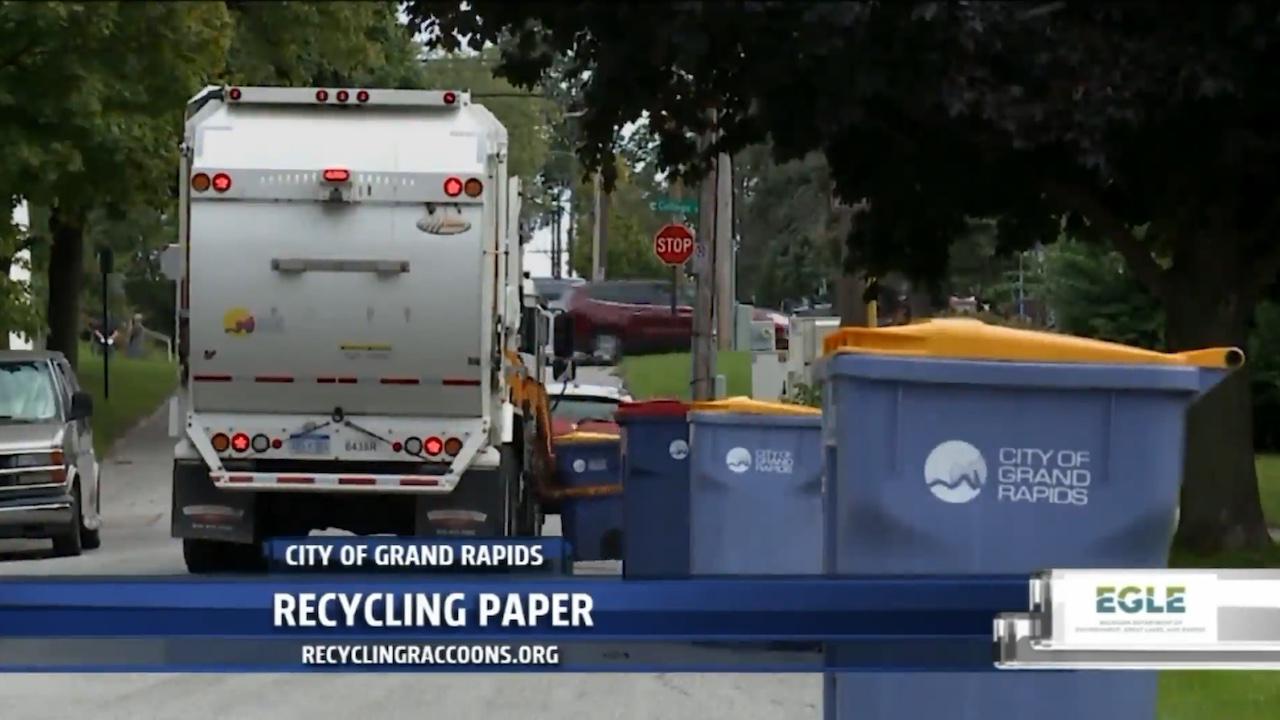
Not all paper is recyclable – learn how to recognize the trash

This story was originally published by WDIV Channel 4 for Live in the D.

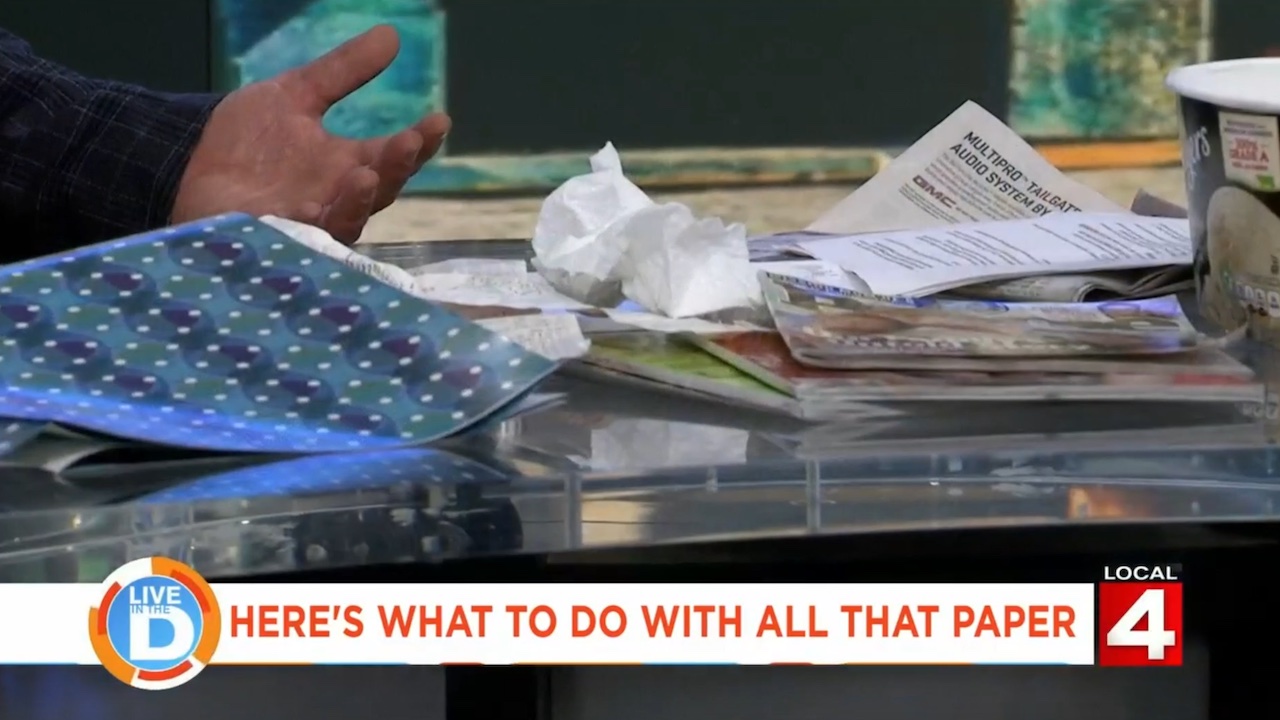
The holidays are approaching us fast! If you plan to wrap gifts or open gifts there will be lots of paper involved. But not all paper is recyclable. The Michigan Department of Environmental, Great Lakes & Energy or EGLE is aimed at encouraging people to recycle the right way and have some guidelines to share about recycling paper.

Host, Jason Carr had a chat with Hugh McDiarmid with EGLE and Natalie Jakub with Green Living Science about what type of paper is recyclable. Types of paper like receipts and wrapping paper cannot be recycled. Things to look out for are glossy or wax coating paper that must be thrown in the trash.

Watch this video to learn what types of paper can be recycled.

For more information about recycling, visit recyclingraccoons.org. To learn more about Green Living Science programs or volunteer opportunities visit greenlivingscience.org.

Paper recycling 101

This story was originally published by WOOD-TV for "eightWest".

When you think about it, we have a lot of paper surrounding us on a daily basis, the books we read, letters we receive in the mail and at work and school, we use a lot of paper! That’s why it’s so important that we recycle, it not only reduces landfills but recycling paper saves energy and trees. We wanted to learn more about recycling paper, how to do it properly and how it can be turned into useful products. So, we partnered up with Michigan Department of Environment, Great Lakes and Energy, take a look!

We’ve partnered up with the Department of Energy, Great Lakes and Environment to talk about recycling many materials cardboard, plastic, metal and more. Even as a person who’s recycling for years, there’s so much to learn about how and what we should be recycling.

Click here to learn more about the PaperGator program.

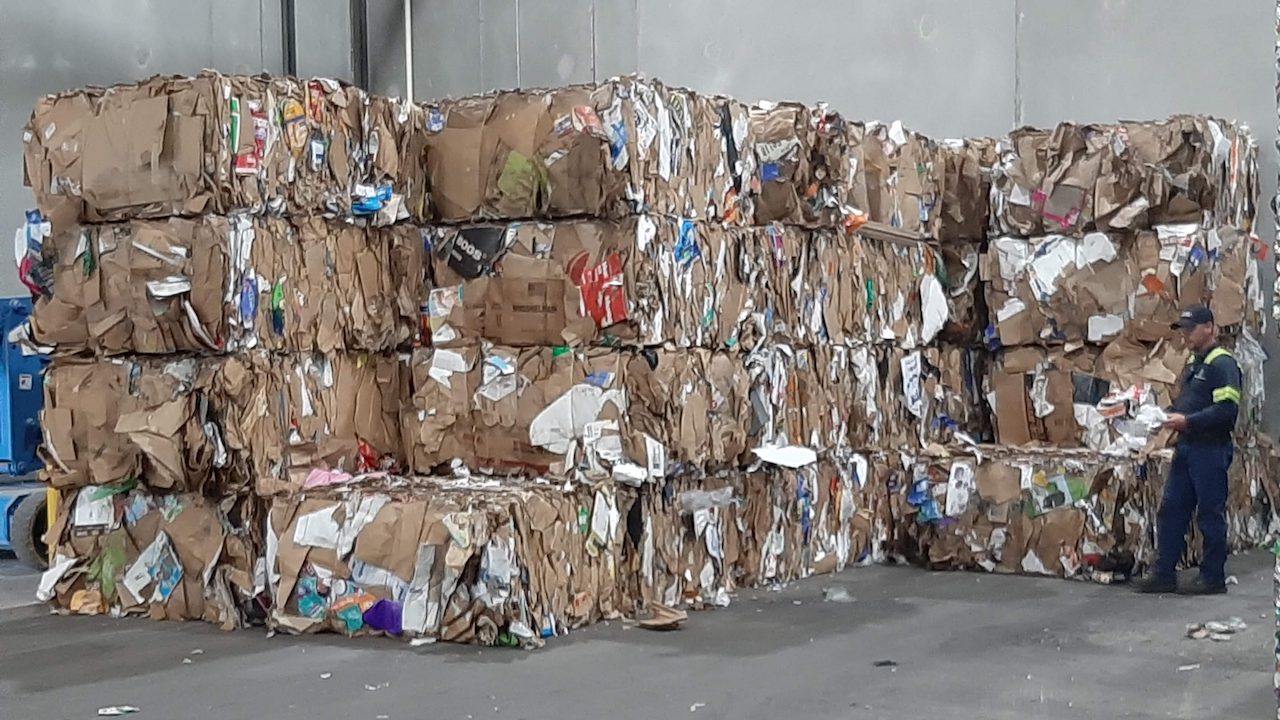
Cardboard recycling 101

This story was originally published by WOOD-TV for woodtv.com/eightwest.

Think about it, these days, we have a lot of things delivered to us through the mail. While it’s convenient, it also uses a lot of cardboard! Cardboard boxes and packaging can be big and bulky, so we definitely want to find a good place for it. What we should be doing is recycling it. The Michigan Department of Environment, Great Lakes and Energy wants to encourage and educate everyone on how to do that best, so take a look!

When it comes to cardboard, one thing you want to do, is remove the tape, foam, and other packing materials before you recycle it, because these items get stuck in the recycling machines and can cause a lot havoc. With the holiday season coming up, this is really important!

Learn the rules of recycling cardboard

This story was originally published by WDIV for clickondetroit.com/live-in-the-d.

After the last piece of pizza has been eaten, and the clothes from your online shopping spree have been hung with care, what do you do with all of those cardboard boxes? Our partners at TheMichigan Department or Environment, Great Lakes and Energy, or EGLE, are spreading the word on how we can recycle correctly.

We've seen the cute recycling raccoons tell us how to take proper care of our plastics and glass, but they also have rules for cardboard. For instance, all cardboard boxes should be broken down and flattened when stored in the recycling container. Doing this makes transporting them easier, and helps the entire recycling process flow smoothly.

When it comes to pizza boxes, if the container is saturated with grease and debris, it is not recyclable. However, if the box is pretty clean, remove and throw away the pizza plate that comes on the bottom of the box, then break down the rest, and send it to the recycling center.

One center that is working with EGLE to teach people how to recycle, and to do it properly, is Recycle Here! Detroit. This center not only takes most items that you didn't or wouldn't think are recyclable, but they take the time to explain how to clean, break down and store it.

To learn more about Recycle Here! Detroit's recycling center, visit recyclehere.net.

Recycling Glass 101

This story was originally published by WOOD-TV for woodtv.com/eightwest.

You may know that recycling has many benefits including energy savings, reduction in water use, decreases in greenhouse gases and conserving resources to name a few. But did you know that just 15% of Michiganders recycle, the lowest in the Great Lakes region and among the lowest in the nation. And not all those who recycle are doing it properly. But there is a new effort to change all that. the Michigan Department of Environment, Great Lakes, and Energy has kicked off a campaign to better inform Michiganders what can – and cannot – be recycled, as well as to increase the amount of material recycled statewide. This campaign, titled the “Know It Before You Throw It” campaign aims to promote best practices and emphasize that recycling provides a wide range of environmental and economic benefits and this week we’re focusing on glass.

Like many to-be recycled products, it is critical to rinse and empty all glass containers. This means rinsing out containers, so they are completely empty of food or beverages prior to tossing them in the recycling bin. Clear glass food jars are usually accepted curbside. However, lids should be removed to be recycled in their respective streams (plastic or metal). Non-food glass is rarely recycled curbside, so items like glassware or lightbulbs have to be recycled elsewhere. Every municipality in Michigan has slightly different rules, however. It’s important to routinely check with local officials about what’s permissible in individual communities. Specifically, for glass, it’s important to check to see if they accept brown, green and blue glass curbside.

The Do’s and Don’ts of Recycling: How to do it properly

This story was originally published by FOX17's Morning Mix for fox17online.com.

Everyone knows recycling materials is good for the planet and reducing the amount of waste that ends up in landfills. It's also good for business as companies that use those recycled materials grow and produce like new products used solely from these materials.

15 percent of Michiganders recycle, but that's the lowest percentage in the Great Lakes region and among the lowest int he nation. Not to mention not all those who recycle do it properly.

The Michigan Department of Environment, Great Lakes, and Energy has kicked off a campaign called "Know It Before You Throw It" to better inform Michiganders what can – and cannot – be recycled, as well as to increase the amount of material recycled statewide.

Scott Dean of the Michigan Department of Environment, Great Lakes, and Energy and Kyle Shoemaker of the Kent County Department of Public Works demonstrate on how to properly recycle.

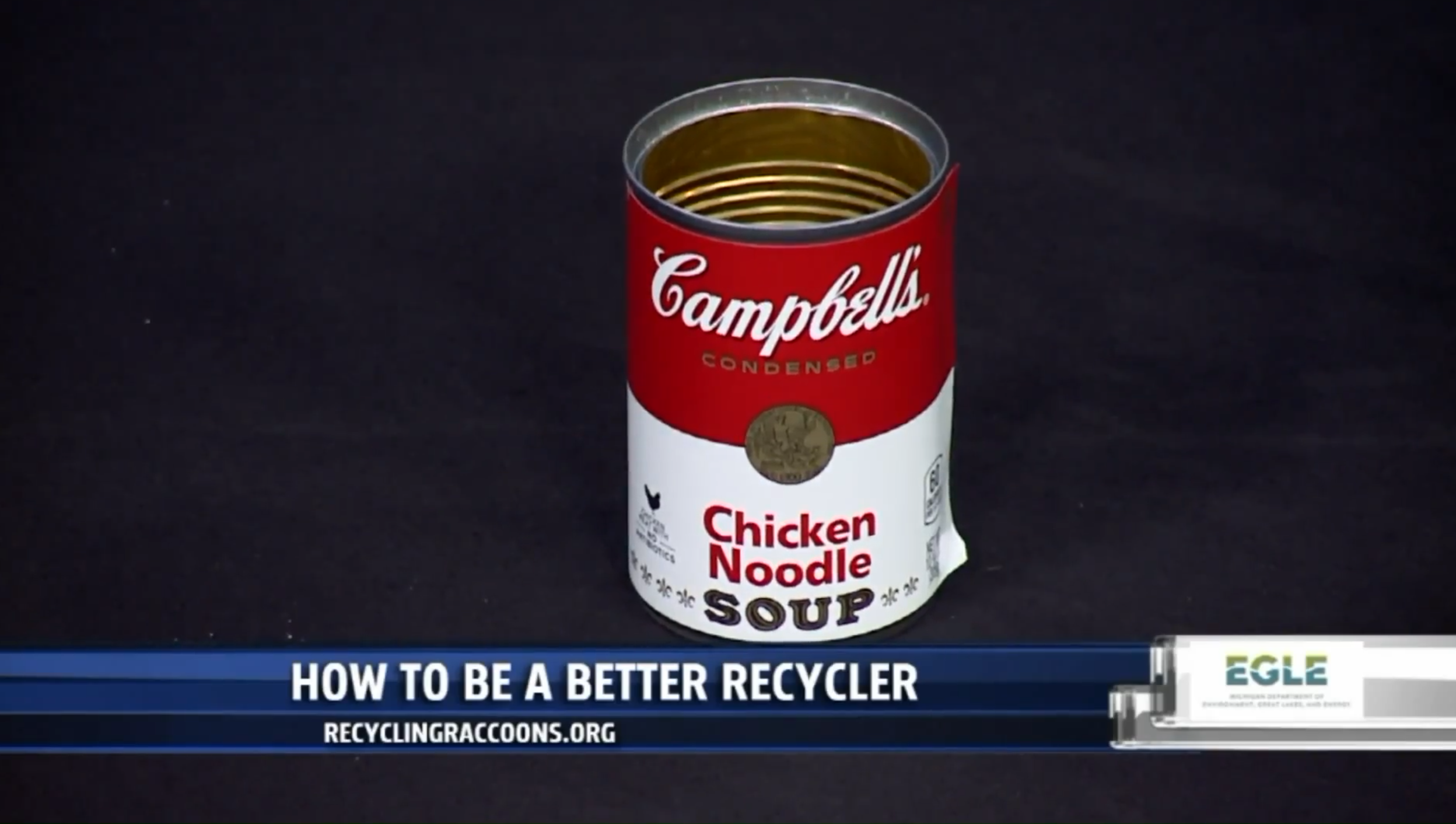
Basic soup cans or tuna cans can be recycled, just remember to rinse and empty before putting into the recycling bin. The lids can also be recycled, but it’s best to pin them in the container to limit the possibility of it being lost in the bin.

Another notable fact about these metal containers is that the paper wrapping does not need to be removed.

Wire hangers are not recyclable curbside as they have a tendency to jam machinery and pose a threat to recycling workers’ safety. Do not place these in curbside containers.

Michigan has a 10-cent deposit on pop cans, but not everyone can have this ability. Aluminum is very recyclable. In fact, 75% of all aluminum produced is still in use today.

Empty aerosol cans are generally recyclable curbside, as long as they didn’t contain something hazardous such as paint or chemicals. Cans empty of the product and the plastic components are taken off, so it’s ready to go in the curbside bin.

To learn more about how to recycle in Kent County visit reimaginetrash.org.

Join the Squad!

Help Michigan become a leader in recycling again. Join the squad today. You don't need to be a raccoon – you just need to sign up!

After signing up for recycling news, you will receive occasional updates. We will not sell your email address to any third party at any time. View our privacy policy.

    © Copyright 2026, EGLE. All Rights Reserved.

    This website uses cookies

    We use cookies to personalize ads, to provide social media features, and to analyze our traffic. We also share information about your use of our site with our social media advertising and analytics partners who may combine it with other information that you’ve provided to them or that they’ve collected from your use of their services. You consent to our cookies if you continue to use our website.