Metal recycling in southeast Michigan takes many shapes — including art

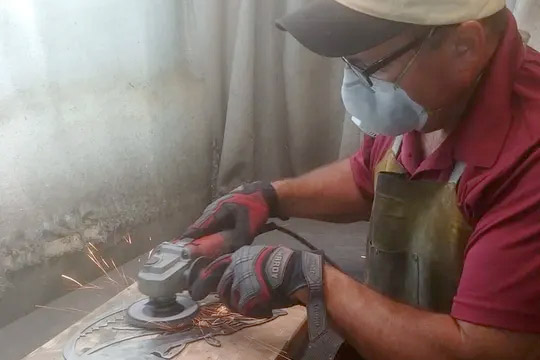
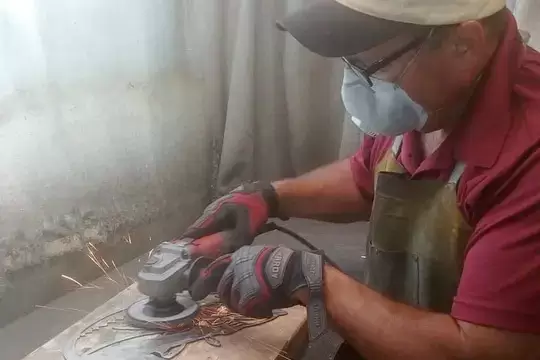
Man creating art from recycled metal

This story was originally published on The Detroit Free Press.

For professional artist Chris Nesbitt, conversations about metal can get heavy, sometimes into the hundreds of pounds.

“The great thing about working with metal is that it’s so durable,” Nesbitt said. “It’s made to last. There’s something satisfying knowing that these works will probably last longer than me.”

Nesbitt is an artist with DunMor Metal Art, a Waterford Township-based full-service decor company specializing in rustic metal art. Founded in 2015 by Nesbitt’s friend Jeremy Macbeth, DunMor makes such products as custom-made art pieces, signs for both the home and business, and Michigan-themed art. Custom DunMor art has been sold around the U.S., as well as internationally.

All work is handmade from raw materials. Mostly, the pieces are crafted from 4-by-10-foot sheets manufactured in Michigan from new metal mixed with metal collected from curbside recycling bins.

“I’m very conscious about the importance of metal recycling,” said Nesbitt, a former chemical engineer. “It’s good to know that metal is getting a second or third life through our art.”

Improving Michigan’s recycling rate

Compared with much of the country, Michigan excels at recycling one type of metal: aluminum. That’s thanks in large part to Michigan’s first-in-the-nation bottle and can deposit law, which tacks an extra 10 cents onto the cost of each carbonated beverage sold in the state, to be redeemed later for a 10-cent refund.

More than 90% of bottles and cans that carry a deposit are recycled, but such returnable containers represent only 15% of all the waste Michiganders recycle every year. Almost 53% of the state’s municipal solid waste that goes to landfills could instead be recycled if done properly.

State leaders say Michigan needs to do a better job recycling its metal — as well as its paper, glass, cardboard and plastic. The state’s current 15% recycling rate is the lowest in the Great Lakes region and ranks among the lowest nationwide.

That’s why this summer, the Michigan Department of Environment, Great Lakes, and Energy, known as EGLE, launched Know It Before You Throw It, a first-of-its-kind statewide education campaign to better inform Michiganders on how to recycle correctly and what can — and cannot — be recycled.

‘A win-win-win for everyone’

EGLE’s goal is to promote awareness of cleaner recycling practices to reduce the amount of contaminated materials improperly going into recycling bins. The state also wants to double Michigan’s recycling rate to 30% by 2025 and ultimately reach 45% annually.

Achieving EGLE’s 30% recycling goal would produce a total of as many as 12,986 jobs, which translates into an economic impact of up to $300 million annually, according to the Expanding Recycling in Michigan Report prepared for the Michigan Recycling Partnership.

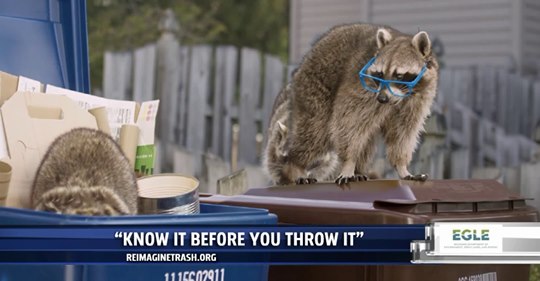
The Know It Before You Throw It campaign features the Recycling Raccoon Squad, a six-member team of recycling champions who serve as EGLE’s education ambassadors. EGLE-commissioned research shows that education is key in order for residents to learn how to properly recycle.

“By learning a few simple rules, we can elevate our rate of recycling, expand the amount we recycle and help build stronger, more prosperous communities, which is a win-win-win for everyone,” said EGLE Materials Management Division Assistant Director Elizabeth Browne.

Knowing the rules of recycling

It’s easy to remember many of the tips suggested by EGLE’s raccoon expert on recycling metal — Precious Metale — on her webpage:

— Rinse and empty all metal containers. This means rinsing out containers so they are completely empty of food scraps, such as soup, prior to tossing them into the recycling bin.

— Aluminum, steel and tin materials should be clean before recycling.

— It’s OK to leave labels on metal containers.

— Empty aerosol cans are generally recyclable curbside, as long as they didn’t contain something hazardous, such as paint or chemicals.

Every municipality in Michigan has slightly different rules, though. Certain types of metal accepted in one city aren’t necessarily accepted in another. It’s important to routinely check with local recycling providers about what’s permissible in individual communities.

Those certain types of metal products that are not accepted curbside in most places can often be recycled at a drop-off location or special recycling event. Products of that sort include:

— Scrap metal.

— Kitchen pots and pans.

— Wire hangers, which jam recycling facility machines.

— Construction materials such as screws or nails, which are too small and fall through the recycling machines.

— Medical sharps such as needles and syringes, which are dangerous to recycling facility workers.

Developing good recycling habits

The campaign is a breath of fresh air for Michigan’s recycling leaders.

“People get excited because they have those big recycling carts with all that room, but when you’re throwing scrap metal or batteries in there, you can contaminate an entire batch,” said Galen Hardy, spokesman for the community organization Zero Waste Detroit.

Zero Waste Detroit works with the Detroit Department of Public Works to promote healthy methods of waste diversion, including keeping materials from being incinerated. Hardy said the city’s current recycling rate is only about 4%, a number he’d like to see get up to at least 30%.

“The Know It Before You Throw it campaign is smart, because it’s really good at encouraging the public to develop good recycling habits,” he said.
What happens to plastic after it’s recycled

This story was originally published by FOX17's Morning Mix for fox17online.com.

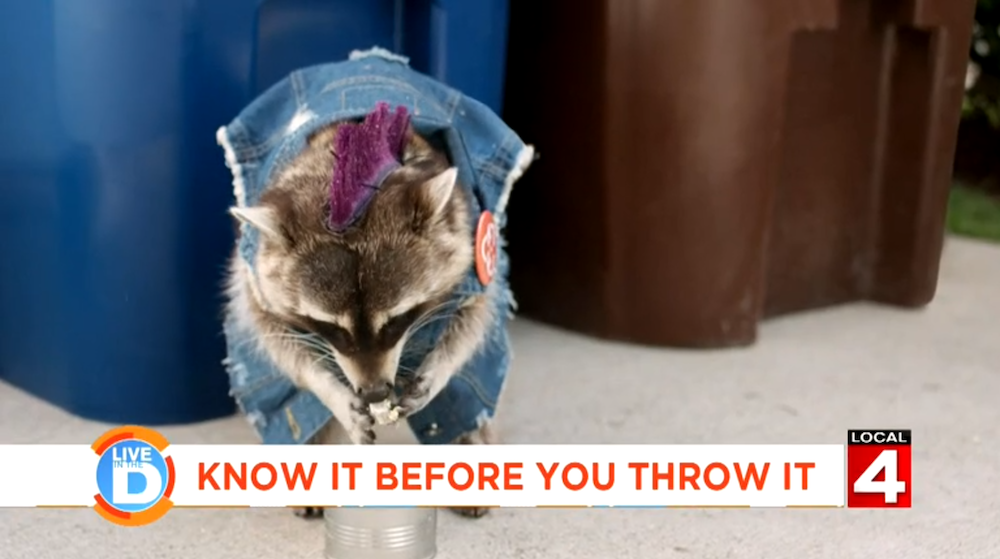
Maybe you’ve seen those cute commercials out right now with talking raccoons rummaging through the trash. While comical, the message is actually quite serious.

Did you know that Michigan has the lowest recycling rate in the Great Lakes? There's a new promotion out from the Michigan Department of Environment, Great Lakes, and Energy (EGLE) that wants to double the number of people recycling in Michigan.

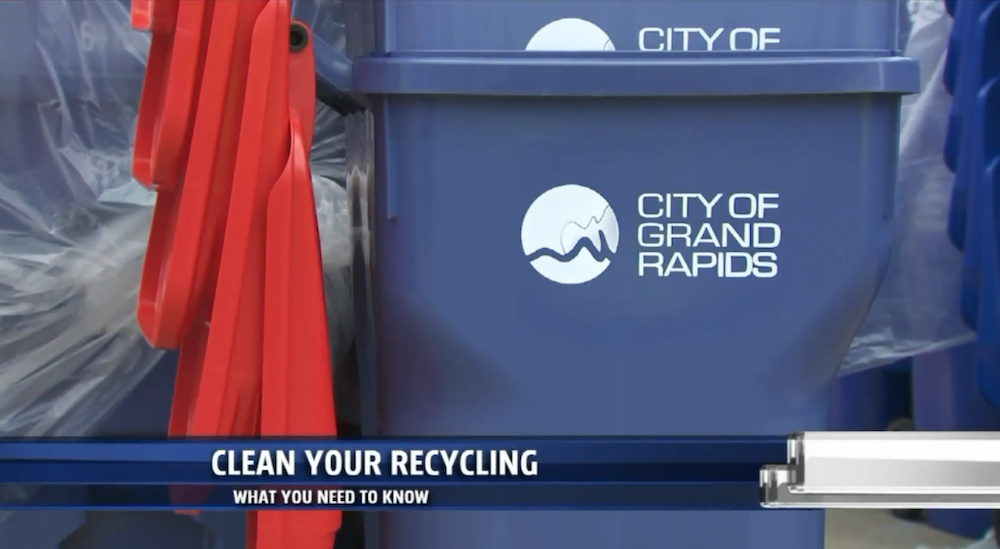
Beyond just recycling, there are ways that those who recycle already, can step up their game as well. Morning Mix went to Cascade Engineering to learn their role when it comes to recycling.

As mentioned above, this campaign is designed to double Michigan's recycling rate to 30 percent by 2025 and all Michiganders really can really contribute to this program. Be mindful when you are putting things out for recycling, as well. Make sure your food containers are cleaned!

To learn more about the new EGLE campaign along with tips and recycling information, visit www.recyclingraccoons.org

Did you know there’s a right way and a wrong way to recycle?

This story was originally published by Live in the D for clickondetroit.com/web/wdiv/live-in-the-d.

You know recycling has many benefits, including saving energy and conserving resources. However, Michigan ranks as one of the states with the fewest people who actually recycle, and not all who do recycle do it properly. There is a new effort to change all of that in our state. Jill Greenberg with The Department of Environment, Great Lakes and Energy, or EGLE, joined Tati Amare to discuss some ways Michiganders can recycle, and do it the proper way.

Greenberg introduced the EGLE's new campaign effort with the "Recycling Raccoon Squad", who are encouraging people to know it before you throw it. The "squad" helps people by giving them the general rules of thumb when it comes to properly recycling so a reusable product can be made from it.

For instance, many people do not know that plastic bags cannot be recycled. Some stores may accept them once you've used them, but generally don't leave them curbside with the garbage. When recycling plastics, rinse them out with water first. A clean plastic container prevents contamination of other products. Next, Greenberg said to flatten food boxes; if a pizza box is clean, it can be recycled, if it's dirty and grease stained, it is not because it could contaminate other products.

EGLE has teamed up with Green Living Science, an organization that has been teaching recycling and waste reduction to schools, businesses and the community since 2007. They have partnered up with The Detroit Public Works to spread the message of recycling to residents, and now with the help of EGLE, the power of the message is even stronger.

To learn more about the efforts of Green Living Science in our community, visit greenlivingscience.org. And to learn more about the EGLE campaign and more information on recycling, visit recyclingraccoons.org.

Recycling at the Ballpark

This story was originally published by eightWest for woodtv.com/eightwest.

We all want to help keep our earth clean, and one way we do that is by recycling. As we know, there are many things that are considered recyclables, but there also a lot of common mistakes that people make!

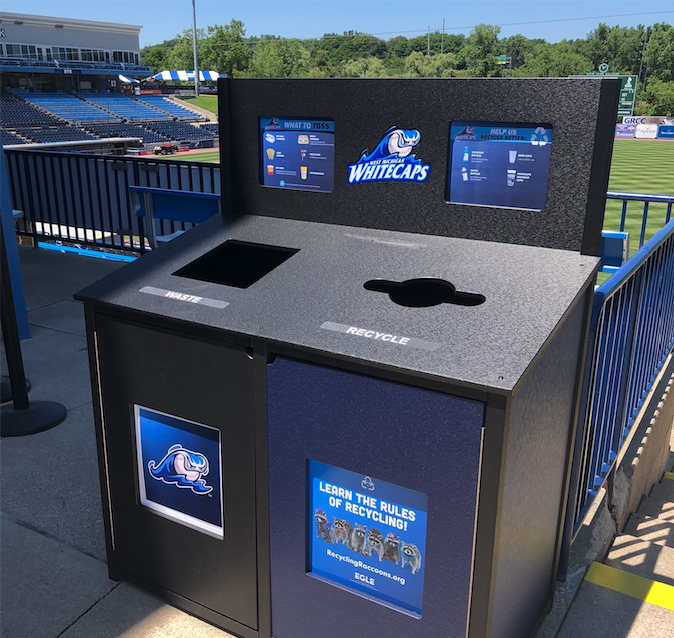
The Michigan Department of Environment, Great Lakes and Energy has kicked-off a campaign to inform people across the state to “Know It Before You Throw It and they’re collaborating with Fifth Third Ballpark to educate everyone.

The state’s recycling campaign provides the perfect opportunity to better our recycling efforts at Fifth Third Ballpark, but also reminds us how we can improve our practices in our homes.

There are many reminders around the ballpark, bins that are made from post-consumer recycled materials, the billboard with information at the park, and also signage throughout the park that make it easy to decide what you can and can’t recycle.

Confused about recycling? Talk to the Raccoon Squad

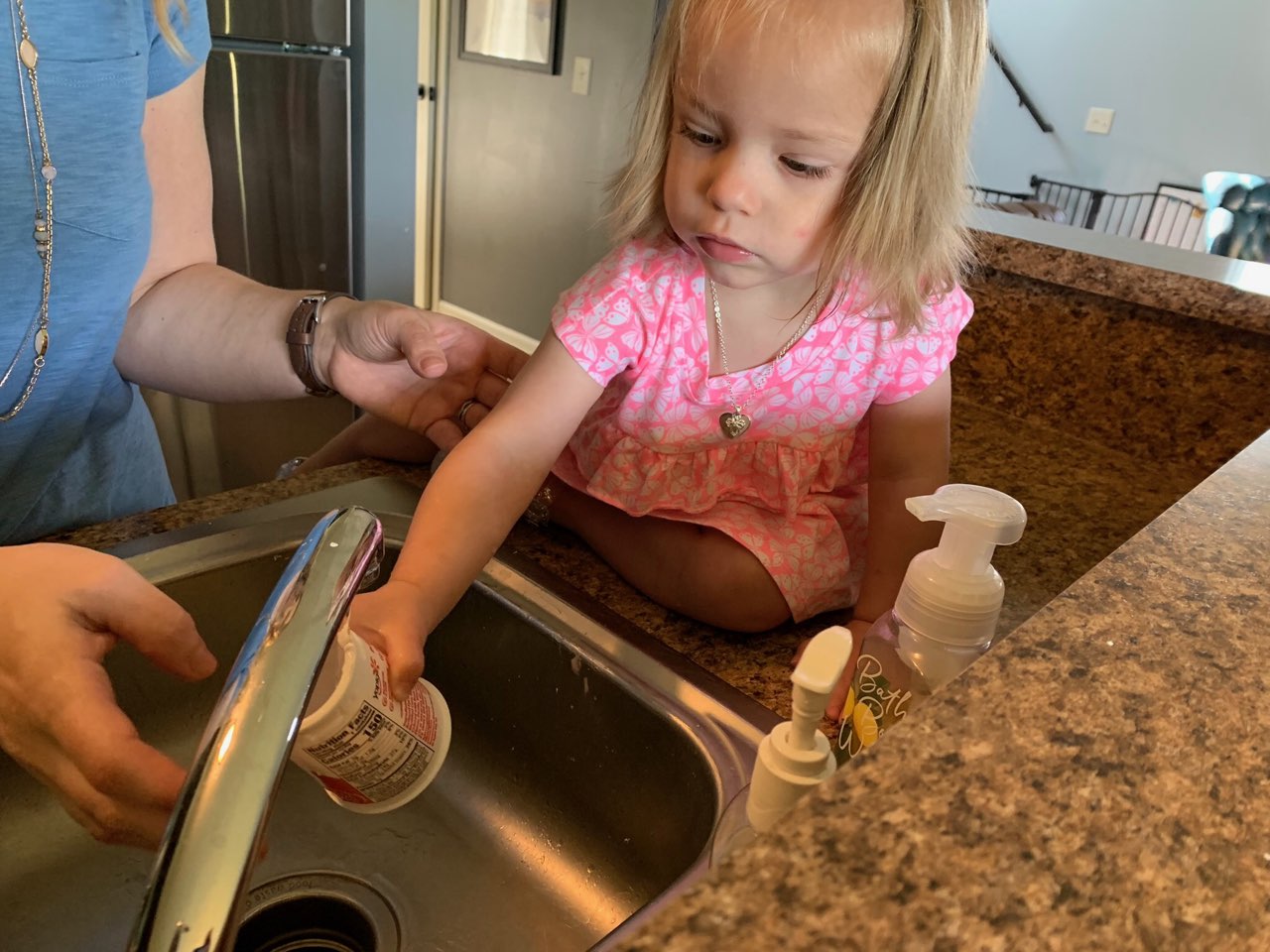
Little girl helping rinse yogurt container

Celine and Joe Sommerdyke are determined to help save the planet.

But hectic days spent shuttling between work and taking care of their one-year old daughter mean that recycling do’s and don’ts are among the last things the Comstock Park family has time to think about.

“Recycling is important to us, but the rules are confusing. Half the time we’re not even sure we’re doing it right,” Celine said.

The Sommerdykes aren’t alone.

Many Michiganders are confused about what can – and cannot – be recycled and how to do it correctly.

That’s why the Michigan Department of Environment, Great Lakes, and Energy (EGLE) has launched Know It Before You Throw It, a first-of-its-kind statewide education campaign aimed to promote cleaner recycling practices and double Michigan’s recycling rate by 2025.

“Michiganders believe in recycling and want to support it, but many of us don’t know how to do it properly,” said EGLE Director Liesl Clark. “We just need a helping hand.”

Or how about a helping paw?

EGLE has created the all-new Recycling Raccoon Squad to serve as its education ambassadors across the state. The six-member squad is a team of recycling experts, each with a specialty and a personality that reflects its focus: plastic, cardboard, metal, paper, glass and everything else.

Characters Nyla P. Lastic, Gladys Glass, Precious Metale, Carlos Cardboard, Paper MacKay and Frank are all featured on a new website – RecyclingRaccoons.org – and have their own social channels to share their expertise and help well-meaning families like the Sommerdykes avoid contaminating the entire recycling bin.

“These fun raccoon characters will share the simple rules about recycling in an entertaining, easy-to-remember way that all of us can learn from,” Clark said.

Michigan’s current 15% recycling rate is the lowest in the Great Lakes region and ranks among the nation’s lowest.

EGLE’s campaign incorporates recommendations from a recycling council that included industry experts, processors, retailers, bottlers and environmental advocates. They were tasked with designing a blueprint to develop the state’s next generation of recycling infrastructure while doubling Michigan’s recycling rate to 30% by 2025 – and ultimately reaching 45% annually.

The Know It Before You Throw It campaign is launching as communities across Michigan and the U.S. are struggling with international market shifts, resulting in higher costs for some local governments that fail to meet new industrywide cleanliness standards for recyclable materials.

One of the most important things EGLE and the Recycling Raccoon Squad want Michiganders to know is that sometimes well-intended efforts to recycle as much as possible can end up contaminating the entire bin. Greasy pizza boxes, for example, are a big recycling no-no.

“Oil that’s soaked into pizza boxes can’t be separated from the cardboard fibers during processing, ruining what otherwise would have been a good batch of paper fibers ready for reuse,” Clark said.

If that batch ends up being made into recycled paper, the product will be of poor quality, containing spots and holes. And food residue left in cans and jars may not allow proper processing of those items, meaning those, too, would be considered garbage, not usable recyclables.

Knowing what and how to recycle – and which items to just throw out – can be confusing because some rules vary by location. Furthermore, over time, recycling requirements and conditions often change. There are, however, a few basic rules that apply everywhere, all the time:

  • Rinse and empty glass, plastic and metal containers
  • Flatten cardboard
  • Don’t put recyclables in plastic bags

Another problem is “wish-cycling” – where people aren’t sure if an item is recyclable, but they throw it in the recycling bin anyway rather than the recommended practice of depositing it in the garbage.

“One of the keys to achieving our recycling goals is consistent and persistent education,” said Kerrin O’Brien, executive director of the Michigan Recycling Coalition “By encouraging people to focus on the basics of their local recycling program and think about what they’re recycling before they toss it, we can improve our environment and create new economic opportunities in Michigan.”

To learn more about the rules and the reasons behind them – and to meet the Recycling Raccoon Squad – visit RecyclingRaccoons.org.

“Know It Before You Throw It” campaign informs people about rules of recycling

This story was originally published by Lindsay Hoffman for fox17online.com

Recycling has many benefits including energy savings, reduction in water use, decreases in greenhouse gases and conserving resources to name a few. But only 15 percent of Michiganders recycle, the lowest in the Great Lakes region and among the lowest in the nation.

However not all those who recycle are doing it properly, but there's a new effort to change that. The Michigan Department of Environment, Great Lakes, and Energy has kicked off a campaign to better inform Michiganders on what can and can't be recycled.

The campaign is called “Know It Before You Throw It”, and it aims to promote best practices and emphasize that recycling provides a wide range of environmental and economic benefits.

Not only is this campaign exciting because it’s aimed at educating people, but it’s unique in the fact that our messaging will primarily be led by a team of expert representatives the Raccoon Recycling Squad.

In the coming months, Michiganders will receive recycling advice from the likes of Nyla P. Lastic, Gladys Glass, Precious Metale, Carlos Cardboard, Paper McKay and Frank.

Learn more about how to recycle in Kent County visit reimaginetrash.org.

Learn more about the new EGLE campaign and get more tips and information on recycling, visit recyclingraccoons.org.

Join the Squad!

Help Michigan become a leader in recycling again. Join the squad today. You don't need to be a raccoon – you just need to sign up!

After signing up for recycling news, you will receive occasional updates. We will not sell your email address to any third party at any time. View our privacy policy.

    Background of raccoon paw prints Background of raccoon paw prints
    © Copyright 2026, EGLE. All Rights Reserved.

    This website uses cookies

    We use cookies to personalize ads, to provide social media features, and to analyze our traffic. We also share information about your use of our site with our social media advertising and analytics partners who may combine it with other information that you’ve provided to them or that they’ve collected from your use of their services. You consent to our cookies if you continue to use our website.