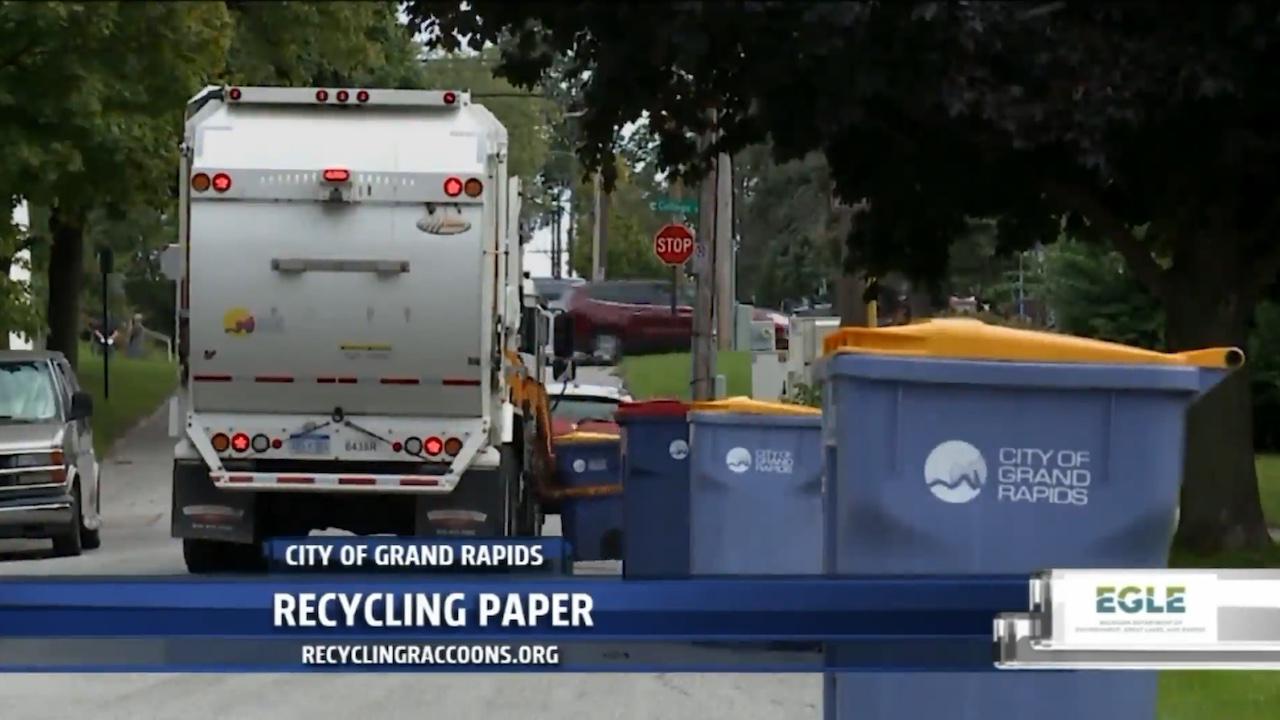
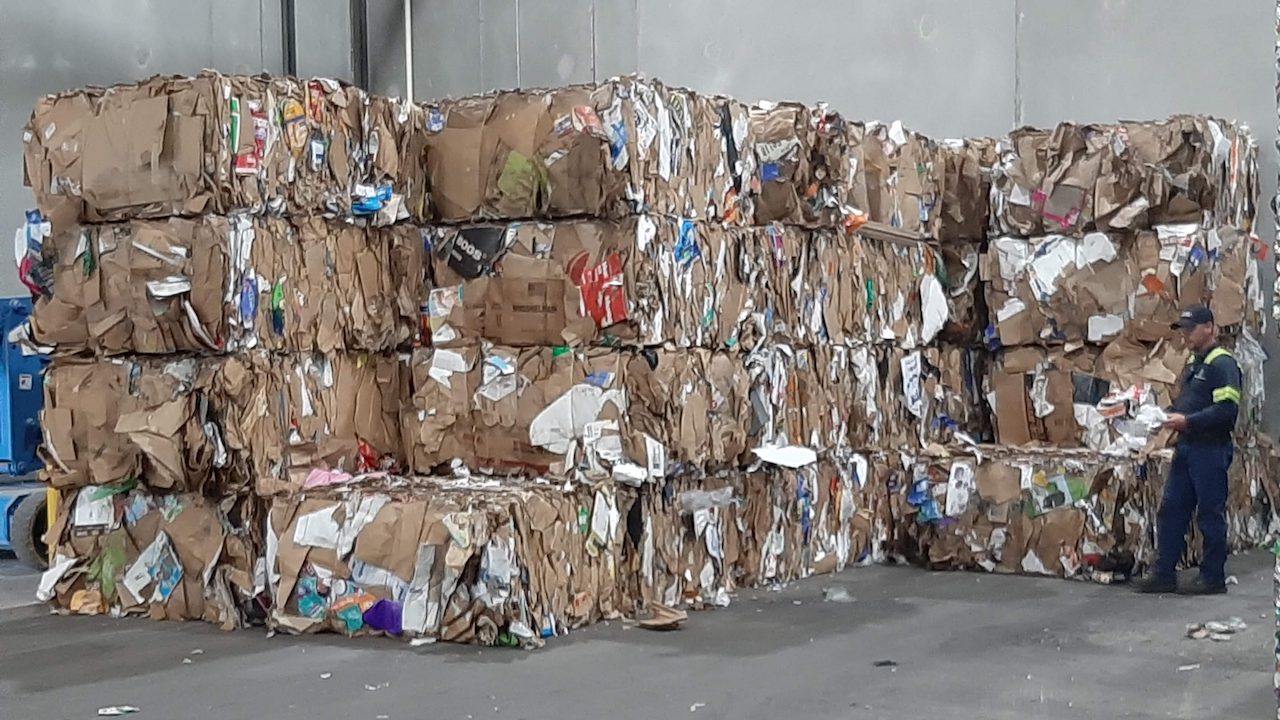
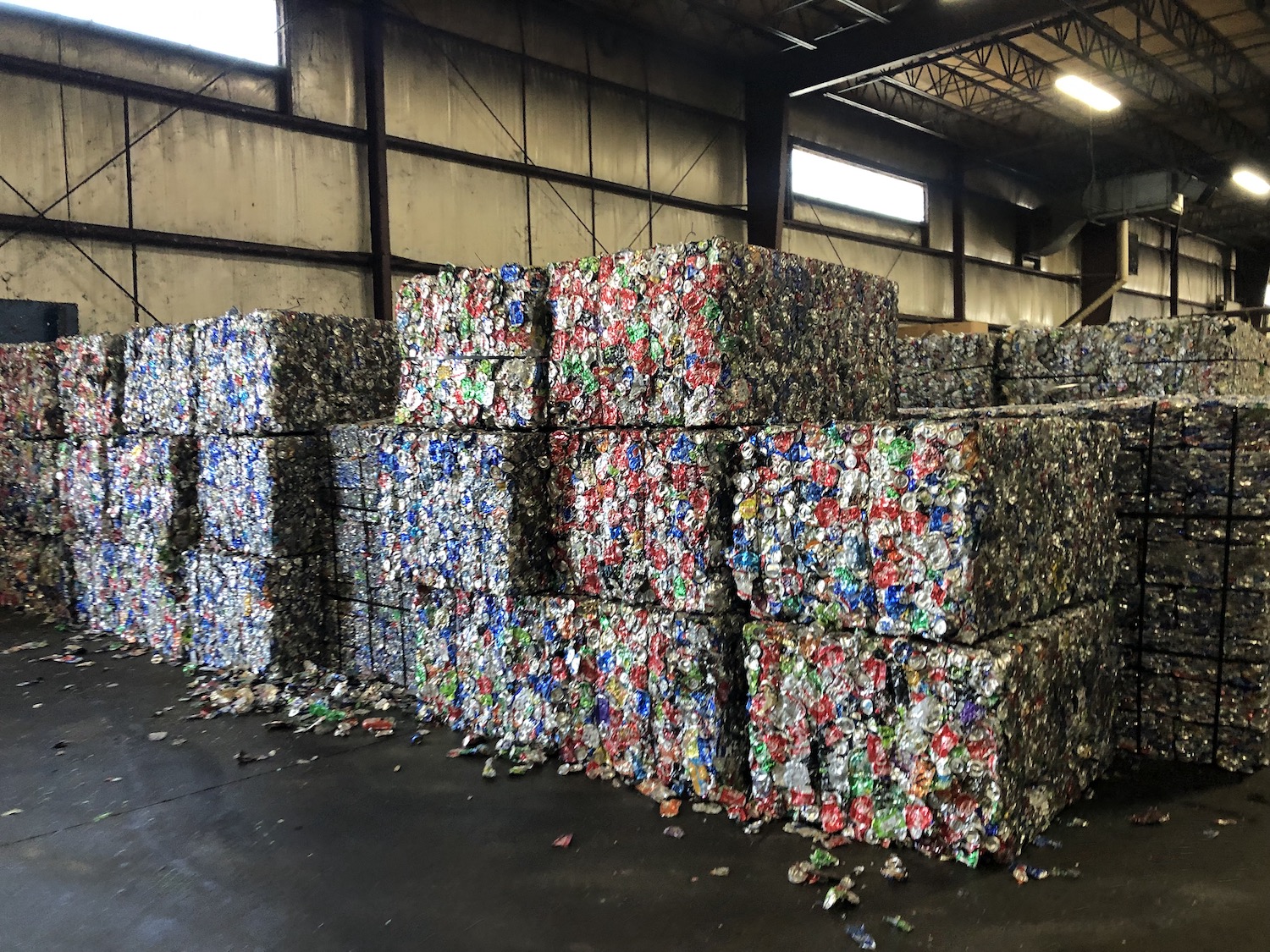
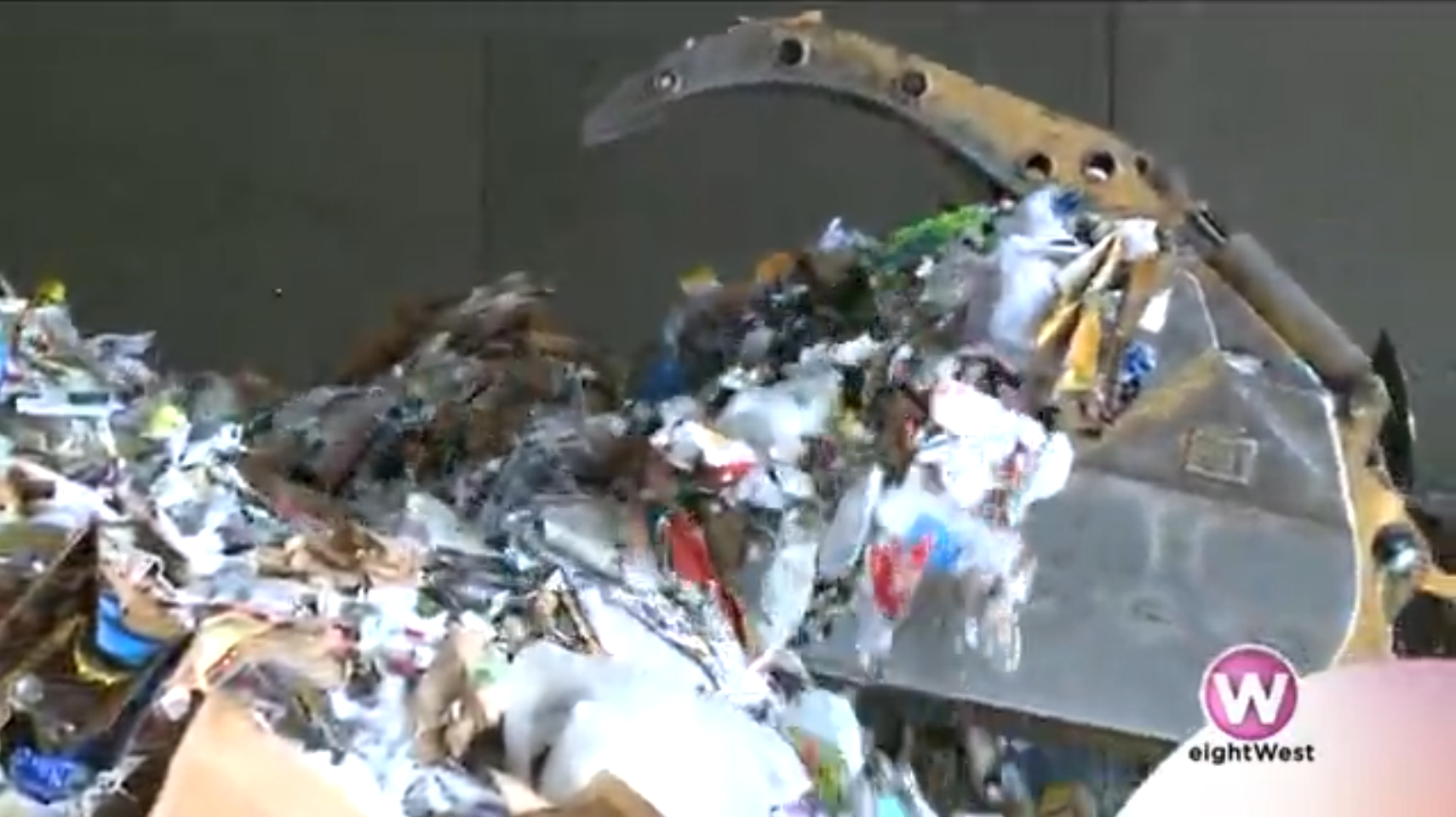
The following can be recycled as long as they are clean and don't have any food residue or grease stains on them:
Paper with staples/clips
Magazines and newspapers
Envelopes with plastic windows
Wrapping paper without glitter or foil
These types of paper cannot be recycled:
Used paper towels, tissues or napkins
Cash register receipts
When the improper materials are put in the curbside bin, it contaminates the proper materials already inside. If the materials are contaminated, the entire bin is thrown out and cannot be recycled.
Learn more about EGLE's new campaign, get more tips and information on recycling by visiting recyclingraccoons.org.
Also, learn more about what the City of Grand Rapids is doing to improve recycling efforts at grandrapidsmi.gov.
This story was originally published by WOOD-TV for "eightWest".
When you think about it, we have a lot of paper surrounding us on a daily basis, the books we read, letters we receive in the mail and at work and school, we use a lot of paper! That’s why it’s so important that we recycle, it not only reduces landfills but recycling paper saves energy and trees. We wanted to learn more about recycling paper, how to do it properly and how it can be turned into useful products. So, we partnered up with Michigan Department of Environment, Great Lakes and Energy, take a look!
We’ve partnered up with the Department of Energy, Great Lakes and Environment to talk about recycling many materials cardboard, plastic, metal and more. Even as a person who’s recycling for years, there’s so much to learn about how and what we should be recycling.
Think about it, these days, we have a lot of things delivered to us through the mail. While it’s convenient, it also uses a lot of cardboard! Cardboard boxes and packaging can be big and bulky, so we definitely want to find a good place for it. What we should be doing is recycling it. The Michigan Department of Environment, Great Lakes and Energy wants to encourage and educate everyone on how to do that best, so take a look!
When it comes to cardboard, one thing you want to do, is remove the tape, foam, and other packing materials before you recycle it, because these items get stuck in the recycling machines and can cause a lot havoc. With the holiday season coming up, this is really important!
After the last piece of pizza has been eaten, and the clothes from your online shopping spree have been hung with care, what do you do with all of those cardboard boxes? Our partners at TheMichigan Department or Environment, Great Lakes and Energy, or EGLE, are spreading the word on how we can recycle correctly.
We've seen the cute recycling raccoons tell us how to take proper care of our plastics and glass, but they also have rules for cardboard. For instance, all cardboard boxes should be broken down and flattened when stored in the recycling container. Doing this makes transporting them easier, and helps the entire recycling process flow smoothly.
When it comes to pizza boxes, if the container is saturated with grease and debris, it is not recyclable. However, if the box is pretty clean, remove and throw away the pizza plate that comes on the bottom of the box, then break down the rest, and send it to the recycling center.
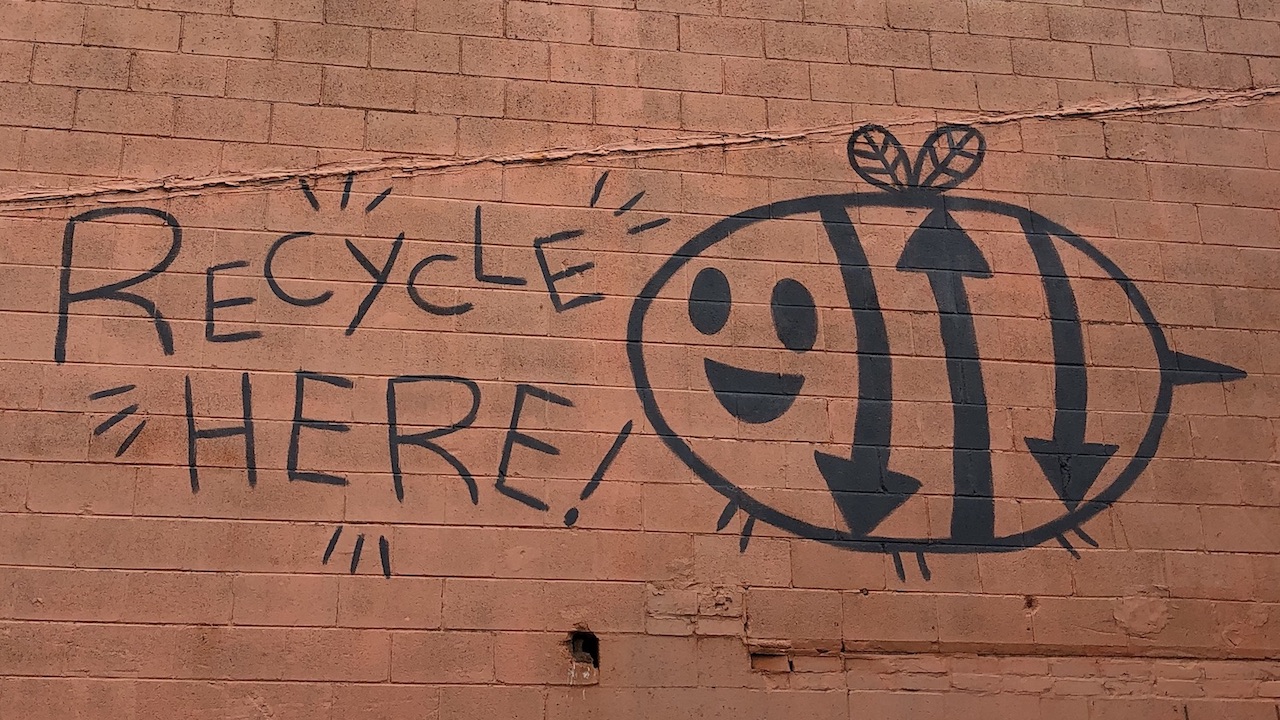
One center that is working with EGLE to teach people how to recycle, and to do it properly, is Recycle Here! Detroit. This center not only takes most items that you didn't or wouldn't think are recyclable, but they take the time to explain how to clean, break down and store it.
To learn more about Recycle Here! Detroit's recycling center, visit recyclehere.net.
If you want to improve your recycling habits, it’s best to listen to the experts.
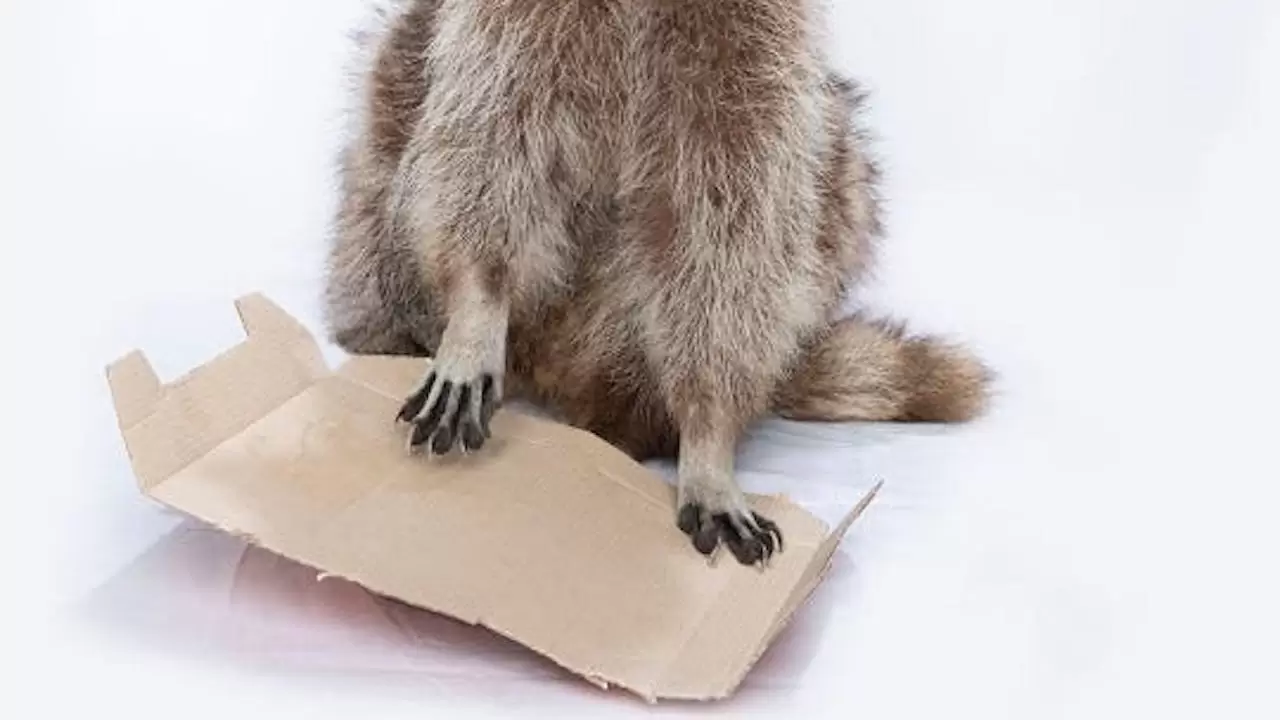
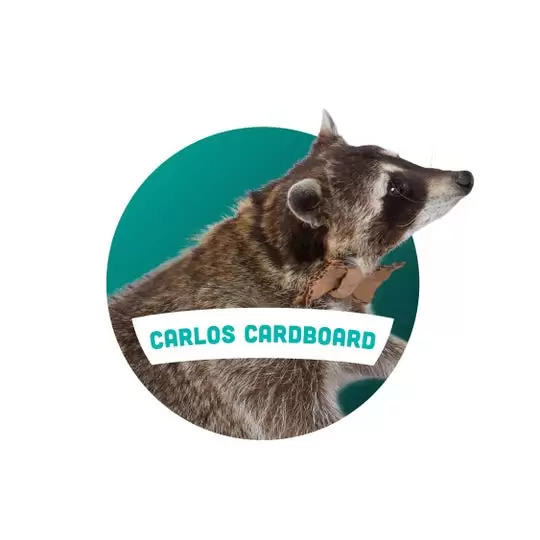
That’s why we asked Carlos Cardboard to sit down with us and clarify some of the most confounding cardboard questions. Carlos is part of the six-member Michigan Recycling Raccoon Squad, whose mission is to teach Michiganders what can — and cannot — be recycled.
These furry recycling champions are part of the Michigan Department of Environment, Great Lakes, and Energy’s (EGLE) Know It Before You Throw It education campaign, which kicked off this summer in every corner of the state.
EGLE’s goal is to double the state’s recycling rate to 30% by 2025 and ultimately reach 45%. Right now, Michigan’s 15% recycling rate is the lowest in the Great Lakes states region and ranks among the lowest in the nation.
Carlos is a cardboard connoisseur and obsessed with flattening. A snappy dresser, he has a bow tie for every day of the week. Most of all, he loves sharing best practices for recycling cardboard.
What kinds of cardboard are OK to recycle?
Great question! I reaaaallly love recycling cardboard, don’t you? It’s so … well … boxy! My favorites are tissue boxes, paper towel and toilet paper rolls, cardboard packaging and food boxes that you’d keep in the pantry – those are all good to go in the recycling bin. So, go for it!
Can I recycle my freezer food boxes?
Boxed containers made for refrigerator and freezer foods have added chemicals to keep the boxes from getting soggy and wet. That makes them difficult to recycle – but not impossible. I’d suggest checking with your local recycling provider to see if it accepts them.
Should I stack my boxes inside one another as a do-it-yourself recycling bin?
No. Boxes are bulky and take up extra room in the trucks that pick them up; flattening them saves space and makes the sorting process easier. Like I always say, “Flattery will get you nowhere, but flattening will!”
Are empty juice cartons recyclable?
Many communities accept cartons in their curbside recycling program, but not all. That’s because juice and milk cartons are actually made of two or three layers of paper, plastic and aluminum, which makes them trickier to recycle.
Should I peel off labels and tape from boxes before I recycle them?
Best recycling practice is to take the tape off. So, while you don’t have to remove them, your recycler would love it if you did.
Why doesn’t my recycler accept pizza boxes?
Grease and stuck-on food on pizza boxes ruins the cardboard for recycling. It can also ruin the other items in your recycling bin by getting them dirty and greasy. Want my secret? If the pizza box top is clean, I rip it off and recycle that portion. Then I eat all that gooey cheese left in the box and throw that part in the trash.
Should I remove staples from cardboard?
Nope! Staples are OK to leave in. Just make sure that cardboard is flat – just how I like it!
Overall, it’s important to keep in mind that every community has different rules about recycling. So be sure to check with your local provider to find out what’s accepted in your area.
You may know that recycling has many benefits including energy savings, reduction in water use, decreases in greenhouse gases and conserving resources to name a few. But did you know that just 15% of Michiganders recycle, the lowest in the Great Lakes region and among the lowest in the nation. And not all those who recycle are doing it properly. But there is a new effort to change all that. the Michigan Department of Environment, Great Lakes, and Energy has kicked off a campaign to better inform Michiganders what can – and cannot – be recycled, as well as to increase the amount of material recycled statewide. This campaign, titled the “Know It Before You Throw It” campaign aims to promote best practices and emphasize that recycling provides a wide range of environmental and economic benefits and this week we’re focusing on glass.
Like many to-be recycled products, it is critical to rinse and empty all glass containers. This means rinsing out containers, so they are completely empty of food or beverages prior to tossing them in the recycling bin. Clear glass food jars are usually accepted curbside. However, lids should be removed to be recycled in their respective streams (plastic or metal). Non-food glass is rarely recycled curbside, so items like glassware or lightbulbs have to be recycled elsewhere. Every municipality in Michigan has slightly different rules, however. It’s important to routinely check with local officials about what’s permissible in individual communities. Specifically, for glass, it’s important to check to see if they accept brown, green and blue glass curbside.
Live in the D's Kila Peeples ventured to the Michigan Department of Environment, Great Lakes, and Energy (EGLE) to learn more about how to recycle glass correctly.
The "Know it Before you Throw It" campaign is helping people recycle glass the right way.
Here are the rules for recycling glass containers.
1) Rinse your container before throwing it in the recycle bin
2) Separate tops and lids from the jars
Kila also visited the Schupan recycling plant to see how the recycled glass is processed.
Here is the process after you recycle your glass:
Schupan's process for glass is very thorough. The glass comes from the retailer to the processing plant. Then it's separated by green, brown and clear. Next it proceeds up to the glass crushers. After that the glass is sent to glass recyclers in Dearborn.
Over 140 million pounds of glass is recycled per year at Schupan Recycling in Wixom. Because of Michigan's deposit law, Michiganders have a 90% recycling rate, one of the best in the country.
Remember, recycling clean materials leads to successful recycling!
To learn more about the Schupan recycling company visit, schupan.com.
This story was originally published by FOX17's Morning Mix for fox17online.com.
Everyone knows recycling materials is good for the planet and reducing the amount of waste that ends up in landfills. It's also good for business as companies that use those recycled materials grow and produce like new products used solely from these materials.
15 percent of Michiganders recycle, but that's the lowest percentage in the Great Lakes region and among the lowest int he nation. Not to mention not all those who recycle do it properly.
The Michigan Department of Environment, Great Lakes, and Energy has kicked off a campaign called "Know It Before You Throw It" to better inform Michiganders what can – and cannot – be recycled, as well as to increase the amount of material recycled statewide.
Scott Dean of the Michigan Department of Environment, Great Lakes, and Energy and Kyle Shoemaker of the Kent County Department of Public Works demonstrate on how to properly recycle.
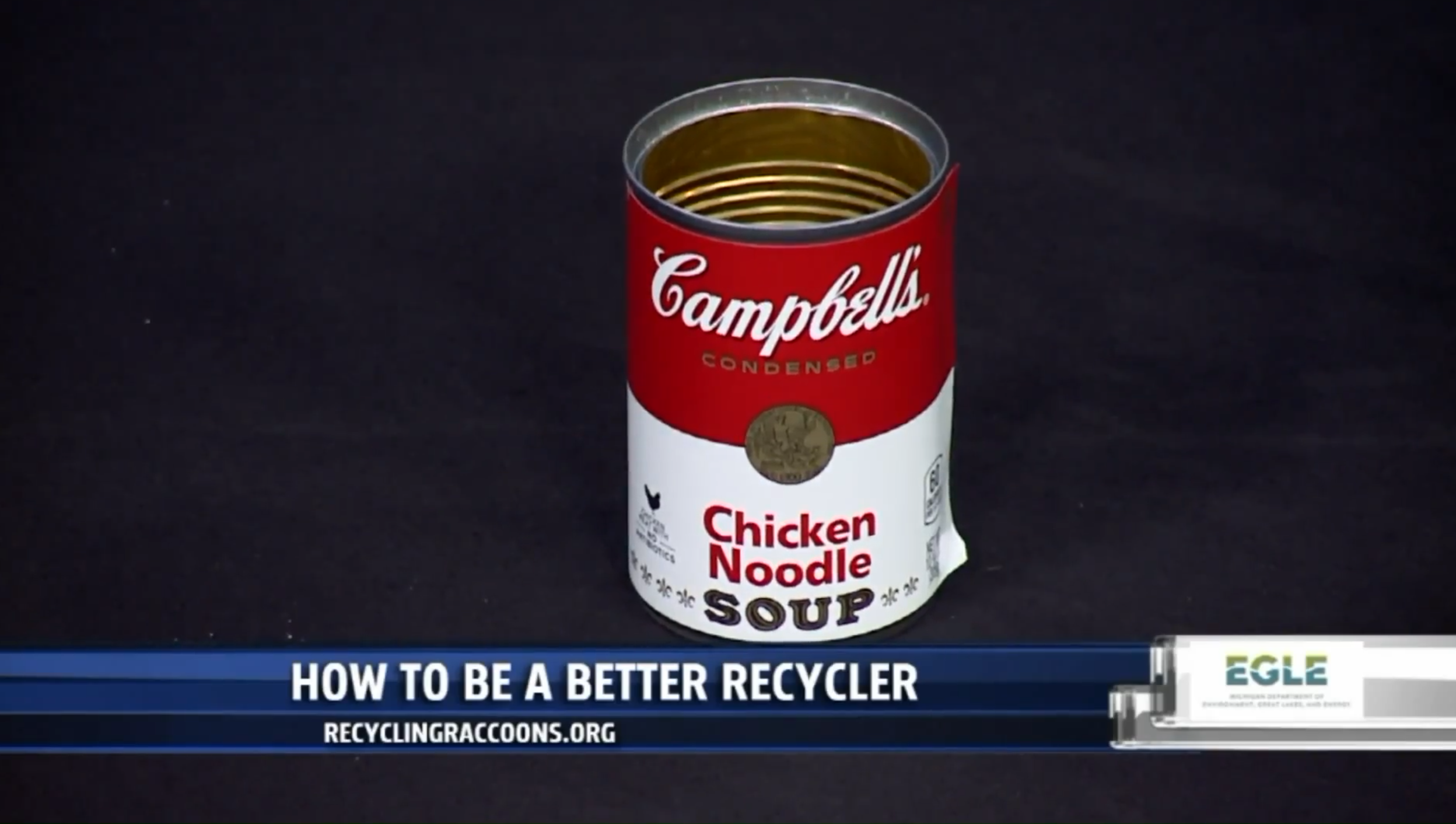
Basic soup cans or tuna cans can be recycled, just remember to rinse and empty before putting into the recycling bin. The lids can also be recycled, but it’s best to pin them in the container to limit the possibility of it being lost in the bin.
Another notable fact about these metal containers is that the paper wrapping does not need to be removed.
Wire hangers are not recyclable curbside as they have a tendency to jam machinery and pose a threat to recycling workers’ safety. Do not place these in curbside containers.
Michigan has a 10-cent deposit on pop cans, but not everyone can have this ability. Aluminum is very recyclable. In fact, 75% of all aluminum produced is still in use today.
Empty aerosol cans are generally recyclable curbside, as long as they didn’t contain something hazardous such as paint or chemicals. Cans empty of the product and the plastic components are taken off, so it’s ready to go in the curbside bin.
To learn more about how to recycle in Kent County visit reimaginetrash.org.
Everyday you're likely to use some sort of can or metal, whether it's a pop or soup can. What do you do when you are finished with it? Toss it in the trash? You should consider recycling them. Our friends at The Michigan Department of Environment, Great Lakes and Energy, or EGLE, encourage you to recycle, the right way. Because that old can you tossed out may be reused for something completely different.
EGLE said once a can has been used, rinse it out and then recycle it. Being mindful of aerosol cans is key, so make sure all of the liquid is removed from the can before recycling. This not only protects the environment, but also workers at the recycling plant. Michigan is one of the best at recycling cans, mostly due to the Michigan Deposit Law and the abundant locations to return cans. Thanks to the law, we return hundreds of thousands of cans a year. Which in return, no pun intended, are cleaned, crushed and repurposed into new cans within 60 days.
If you want to learn more about the Schupan Recycling Company visit schupan.com.
In an average day, you will likely come in contact with many different types of metal products – everything from pop cans to canned food containers – but how can we do our part to make sure we’re recycling these products properly? Rachael visited the Kent County Recycling and Education Center to find about a new effort by the Michigan Department of Environment, Great Lakes and Energy. It is aimed at educating and encouraging people to recycle and recycle properly. The campaign is designed to better inform Michiganders what can – and cannot – be recycled, as well as to increase the amount of material recycled statewide.
What are the key things to know when recycling metals?
Metal food cans, pans, pots, empty aerosol cans, aluminum foil, other clean metals such as license plates.
All aluminum, steel and tin materials should be clean before recycling
It is OK to leave labels on metal containers
Empty aerosol cans are generally recyclable curbside, as long as they didn’t contain something hazardous such as paint or chemicals.
However certain types of metal products are not accepted curbside in most places but often can be recycled at a drop-off location or special recycling event. Those products include: Scrap metal, Kitchen pots and pans, Wire hangers, which jam recycling facility machines, construction materials (e.g., screws, nails, etc.) that are too small and fall through the recycling machines, medical sharps like needles and syringes – they’re dangerous to recycling facility workers
So not all materials can be recycled, but that doesn’t mean that they have to go in the trash. Kent County Recycling & Education Center hosts “Imagine Craft Mondays” every Monday from 1 p.m. to 5 p.m. here at the center. This program gives them the opportunity to teach kids about the importance of recycling, but also gives them the chance to turn trash into crafts.
Recycling & Education Center 977 Wealthy SW Grand Rapids
Join the Squad!
Help Michigan become a leader in recycling again. Join the squad today. You don't need to be a raccoon – you just need to sign up!
After signing up for recycling news, you will receive occasional updates. We will not sell your email address to any third party at any time. View our privacy policy.
We use cookies to personalize ads, to provide social media features, and to analyze our traffic. We also share information about your use of our site with our social media advertising and analytics partners who may combine it with other information that you’ve provided to them or that they’ve collected from your use of their services. You consent to our cookies if you continue to use our website.